

The Importance of an Accurate and Complete Medical History in Dentistry
June 24, 2026
Are You Getting the Most Out of Your Daily Dental Routine?
September 8, 2026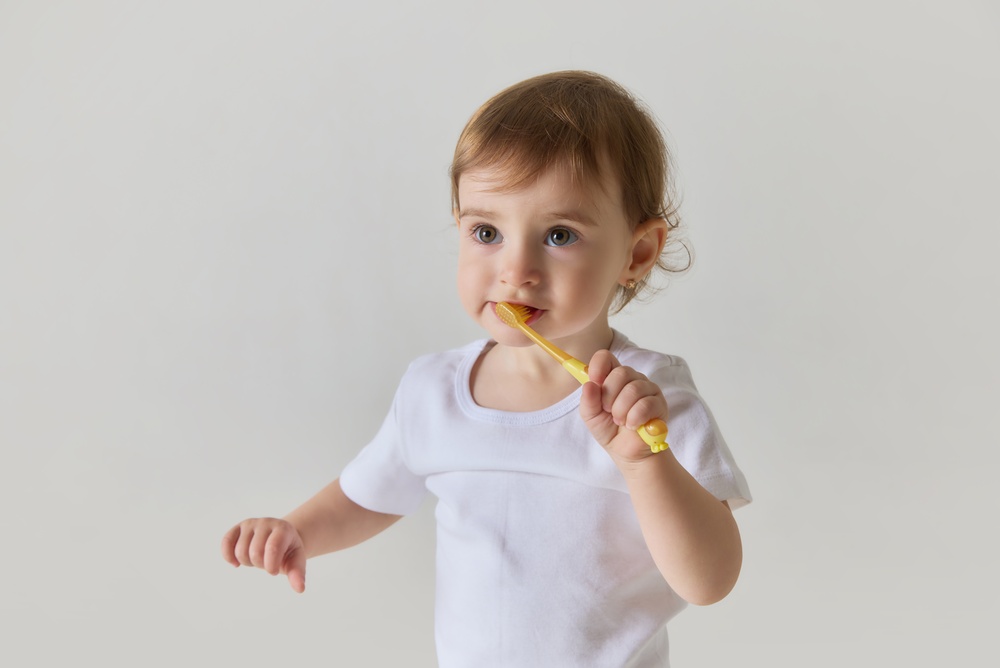
Watching your baby’s first tooth appear is an exciting milestone. While baby teeth may only be temporary, they play an important role in your child’s overall health and development. Healthy baby teeth help children eat, speak clearly, smile confidently, and create the foundation for a lifetime of healthy oral habits.
Understanding how to care for your child’s teeth from the very beginning can help prevent dental problems and set them up for long-term success.
Why Are Baby Teeth Important?
Many parents assume baby teeth are not as important because they eventually fall out. In reality, they serve several essential purposes.
Baby teeth help your child:
- Chew food properly and enjoy a healthy diet.
- Learn to speak and pronounce words clearly.
- Hold space for permanent teeth to erupt in the correct position.
- Support healthy jaw growth and facial development.
- Build confidence with a healthy smile.
If a baby tooth is lost too early because of decay or injury, neighboring teeth can shift into the empty space. This may cause crowding or alignment issues when permanent teeth begin to come in.
When Should Your Child Visit the Dentist?
The American Academy of Pediatric Dentistry recommends scheduling your child’s first dental visit by their first birthday or within six months of their first tooth erupting, whichever comes first.
Early visits allow your dentist to:
- Monitor healthy tooth and jaw development.
- Identify signs of tooth decay before they become serious.
- Answer questions about teething, thumb sucking, or pacifier use.
- Help children become comfortable in the dental office from an early age.
Creating positive experiences early can help reduce dental anxiety as your child grows.
Healthy Habits Start at Home
Good oral health begins long before all of your child’s teeth have come in.
Here are a few simple habits every parent can follow:
Brush early. Begin brushing as soon as the first tooth appears using a soft-bristled toothbrush and a rice-sized amount of toothpaste.
Limit sugary foods and drinks. Frequent exposure to sugary snacks, juice, and sticky treats increases the risk of cavities. Water is always the best choice between meals.
Avoid bedtime bottles. Putting your child to bed with milk or juice can leave sugar on the teeth overnight and increase the risk of tooth decay.
Helping your child build these habits early makes caring for their smile easier as they grow.
Common Questions Parents Have
When do baby teeth start coming in?
Most babies begin getting their first tooth around six months of age, although every child develops at their own pace. By age three, most children have all 20 primary teeth.
What if my child doesn’t like brushing?
This is very common. Make brushing fun by singing a song, using a timer, or letting your child choose a colorful toothbrush. The goal is to create a positive routine that becomes part of their day.
Are cavities in baby teeth really a big deal?
Yes. Cavities can cause pain, infection, difficulty eating, and may even affect the development of permanent teeth. Treating and preventing cavities in baby teeth is an important part of protecting your child’s overall health.
Pediatric Dental Care at Mequon Smile Design
At Mequon Smile Design, we love helping children develop healthy smiles that last a lifetime. Our experienced team creates a welcoming, comfortable environment where kids can build confidence while receiving exceptional dental care.
We offer a variety of pediatric dental services, including:
- Routine dental exams and cleanings
- Fluoride treatments
- Dental sealants
- Tooth-colored fillings
- Gentle care tailored to every child’s needs
Our goal is to make every visit positive while giving parents the education and support they need to care for their child’s smile at home.
Give Your Child a Healthy Start
Baby teeth may only last a few years, but the habits formed while caring for them can last a lifetime.
Call Mequon Smile Design today at 262.240.9400 to schedule an appointment and help your child build a lifetime of healthy, confident smiles.